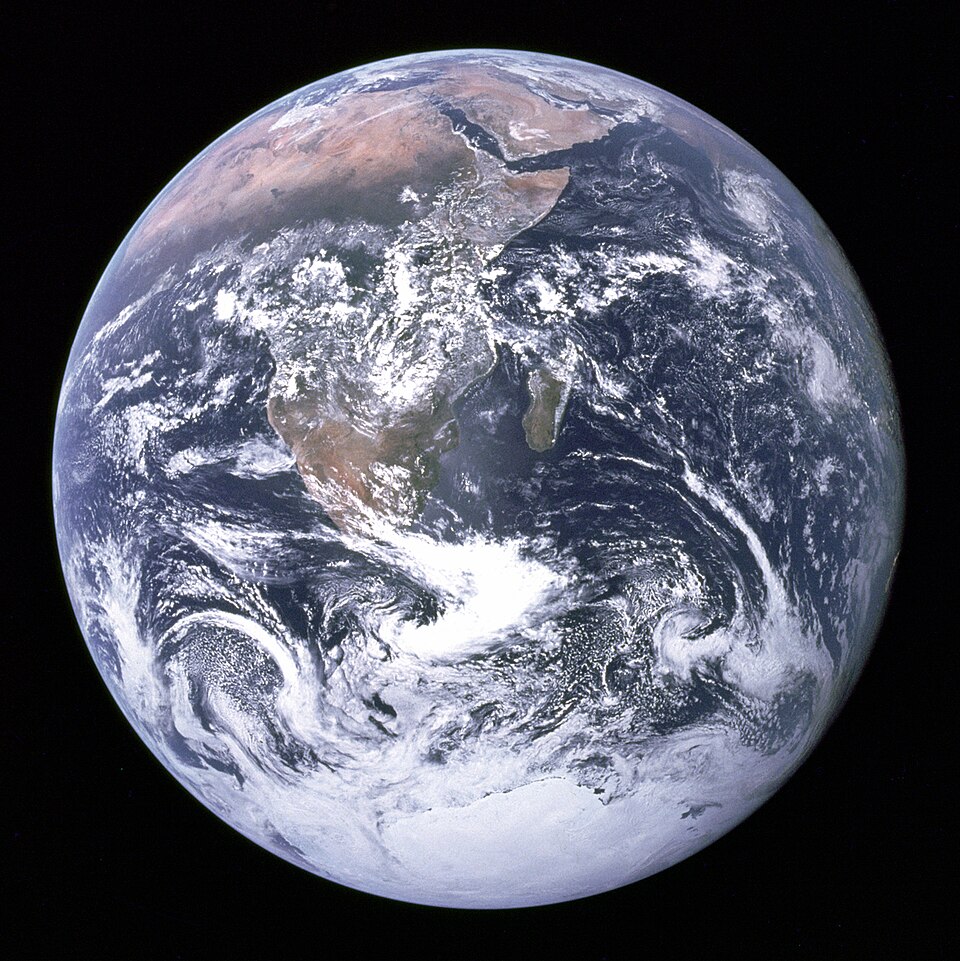
To most people, geoengineering means big flashy global projects run by huge national governments or occasionally rogue billionaires in a sci-fi story. The truth is, we can engineer the world around us inch by inch without big projects in ways that still have regional and even global effects. It’s something we as a species have been doing both on purpose and through apathy for thousands of years. It’s not a silver bullet, and the carbon emissions that we usually focus on are mostly in the hands of big governments and big corporations, but with some creativity and some patience, we can make real grassroots change to the regional and even global climate.
Nuts and Bolts
Floods and Droughts are Not Opposites
Floods and Droughts, too much water and too little, aren’t opposites the way you might think. When rain runs off the landscape in a flood instead of soaking into the soil, the result is a drought. Both are part of landscapes that don’t hold water.
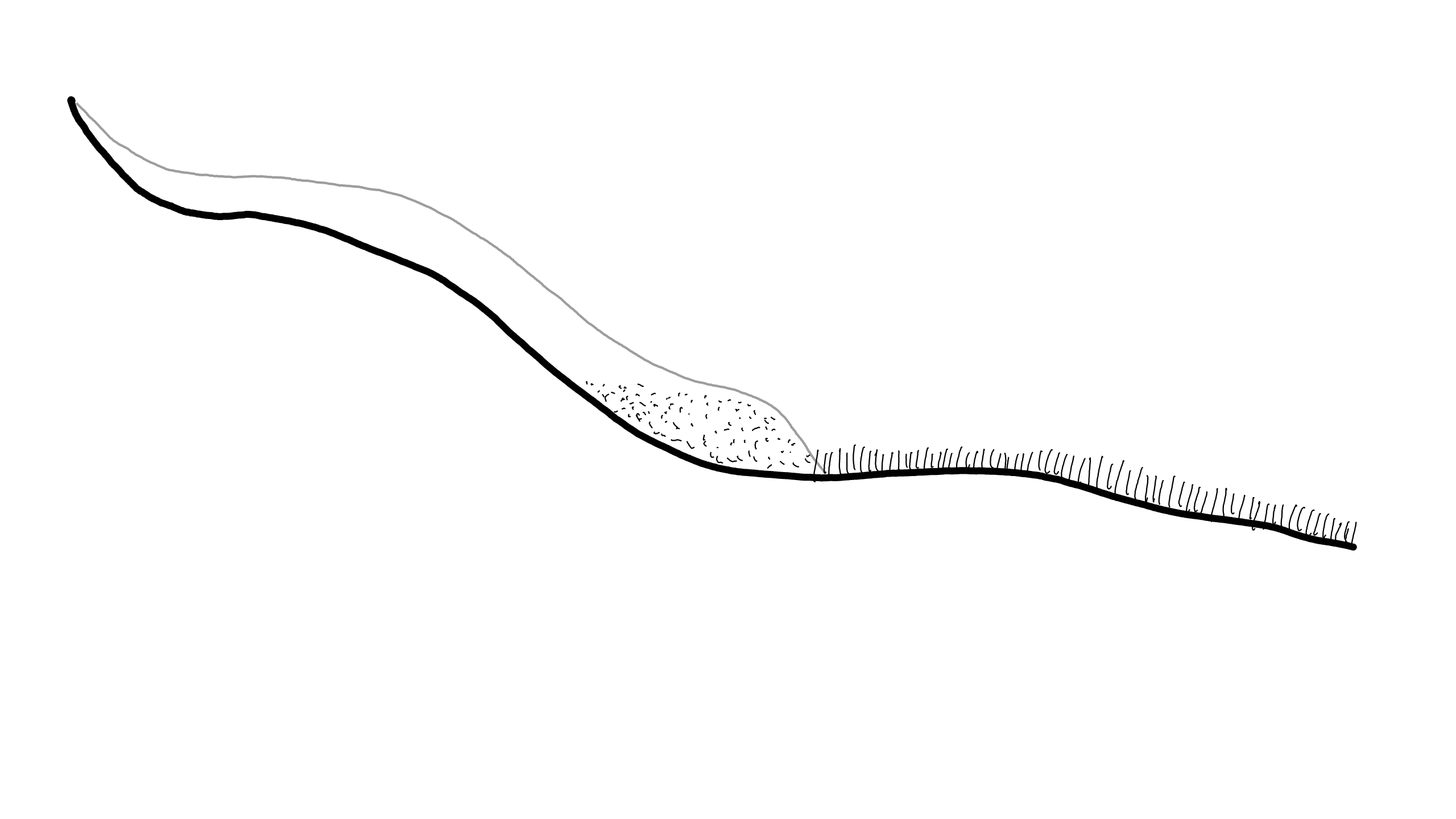
When a flood moves through a landscape, it tears up plants and erodes the topsoil that holds water. That means the ground can hold less water, so there’s less for people, plants, and animals to use before the next rain.
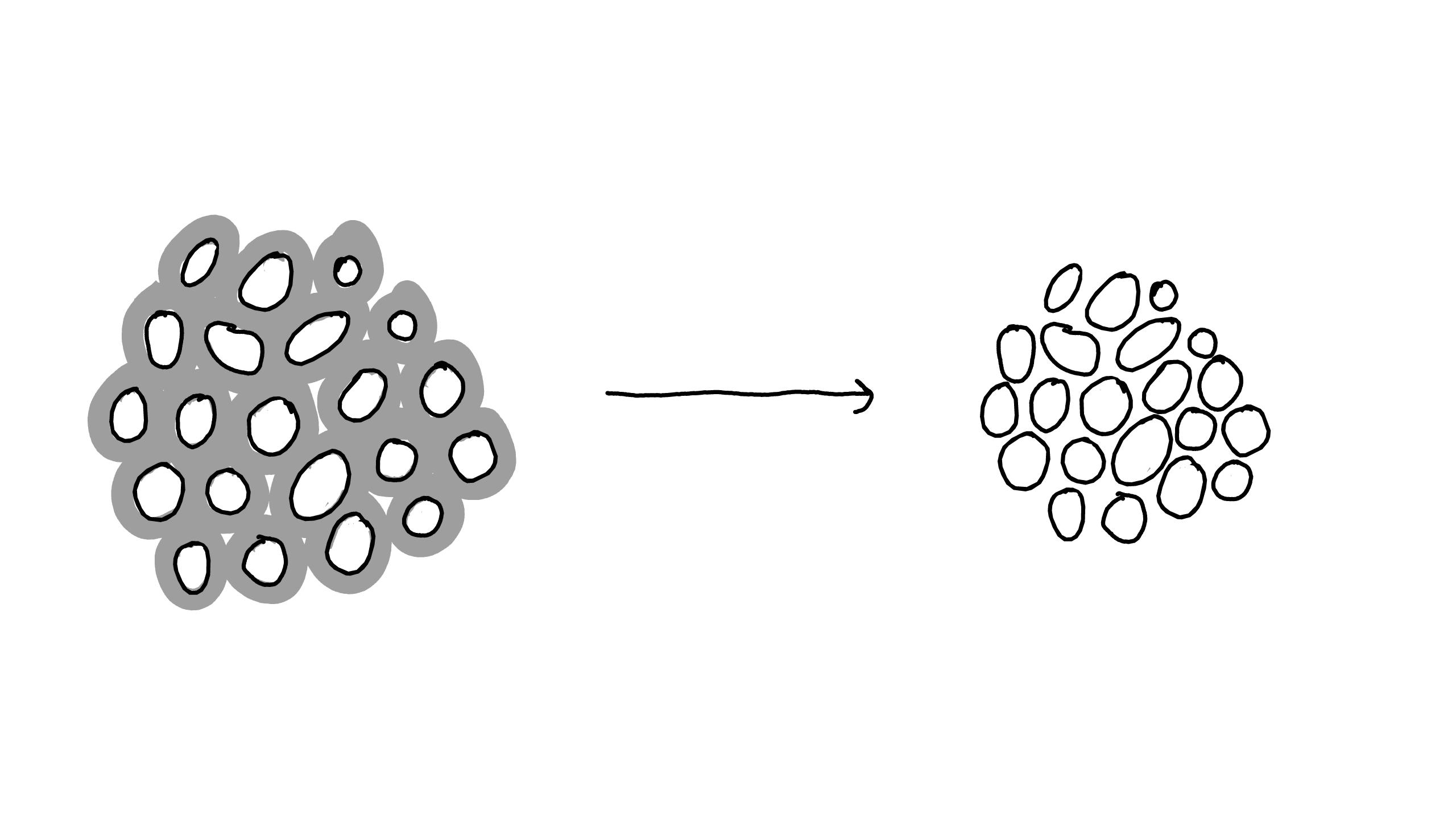
When there’s a drought, it bakes water out of the soil without it being replenished, eventually the pores between the soil particles start to collapse, making it much harder for water to soak in.
Flood and Drought are less opposites and more two sides of the same coin in a self-reinforcing feedback loop that dries out the land. Fires can reinforce that cycle too, with drier land burning hotter. When the fires get hot enough, they not only burn away the underbrush but also turn everything to ash that holds no water and is easily washed away.
The systems that keep the land watered evolved over millions of years as the continents moved and the climate changed, and once they start to dry out, they don’t go back on their own. We, on the other hand, can engineer the landscape to start holding more water and start that feedback loop in the other direction.
Humidity and Atmospheric Pressure
While hot air is less dense, the biggest driver of the density of air is actually its humidity. Low-pressure centers in storms and large-scale weather systems are cool, not warm, and draw air inwards and upwards because the humidity makes it less dense, and the air becomes denser and sinks again as the water condenses out at the top. High-pressure systems are areas where dry air from the upper troposphere falls down, heating up as it falls and pushing wind outwards.
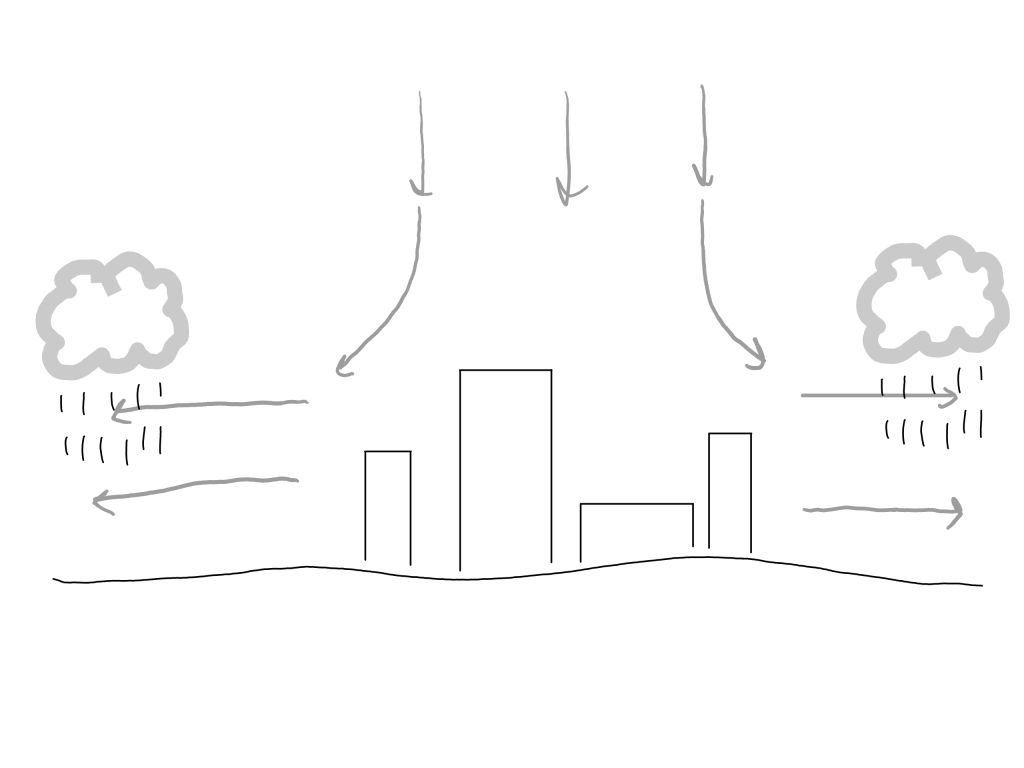
Landscapes that are drier than their surroundings, like deserts, scrublands, or cities, have no moisture to drive powerful local convection and instead become permanent areas of high pressure. This can push away storms that aren’t powerful enough, and is why rain will often go around downtown in many cities.

On the other end, cooler, wetter places that hold onto their water between rains have consistent evaporation that drives powerful convection. A lot of that water is transported back up to higher parts of the landscape as rain, spreading the water evenly. The rising air also creates a permanent area of low pressure that draws in weather and water that gets near it.
Radiative Forcing
At a larger scale, global warming is driven by the amount of heat earth absorbs from the sun being larger than the amount earth radiates, and the difference is called the radiative forcing. I believe it’s currently about 5 W/m^2 of radiative forcing relative to the 1300 W/m^2 of solar energy entering the upper atmosphere.

A lot of that incoming sunlight gets reflected back into space. Ice and fluffy low altitude clouds reflect the most sunlight, followed by plants and light colored ground, with water and dark ground being significant absorbers.
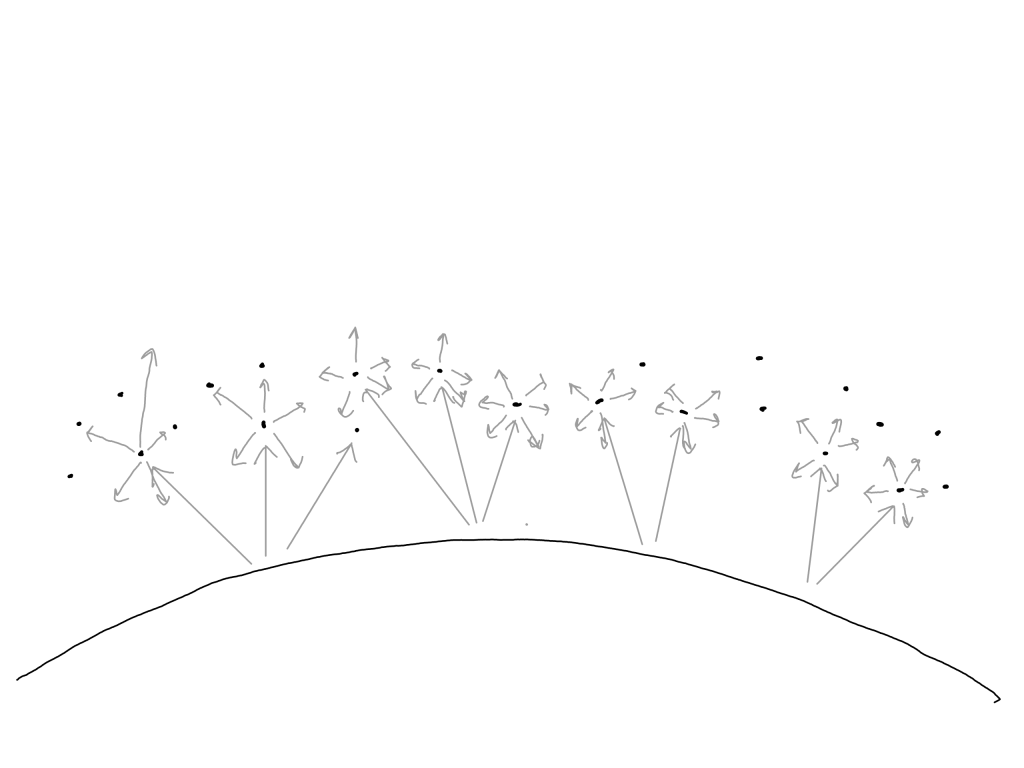
Every surface radiates light, mostly in infrared at Earth temperatures, in an amount proportional to the fourth power of its temperature. So small increases in temperature dramatically increase the amount of infrared it emits. Some of that light, particularly at a few narrow wavelengths, reaches space, but most of it is absorbed by greenhouse gases like water vapor, carbon dioxide, and methane in the atmosphere. That heats up the atmosphere and effectively reflects most of that infrared light back to the ground or to other parts of the atmosphere, keeping Earth’s surface warm.
Hotter ground, especially that stays hot all night, radiates more infrared light, amplifying the warming effect of greenhouse gases that trap infrared light.

When water evaporates from the surface, it absorbs heat, cooling the ground. That energy has to go somewhere, and it comes out when the water condenses into clouds higher in the atmosphere. Even 10,000 ft / 3,000 m gets you above 1/4 of the atmosphere, so heat deposited high up has a much easier time getting out to space instead of staying trapped and warming the planet more.
Plants at higher latitudes, and especially tall ones like trees, are usually darker to absorb more heat from the sunlight they get. That’s because they get less sunlight and still need enough heat to drive the evaporation that pulls water up from their roots.
What We Can Do
Slowing Down The Water
The most effective way to start pushing the cycle of floods and droughts in the other direction is to slow down the water with artificial landscaping. That way, the rain doesn’t wash the soil away, and it has a chance to slowly sink into dry soil. That keeps the ground wet to support plants and stabilizes stream flows, something we need even more as rains become more intense and less predictable.
Sequential Catchment Basins
Most of the effective strategies for slowing down water in landscapes that are already dried out rely on sequential pods or basins that catch the water as it runs down the landscape and overflows from previous basins. These can be on farms, mountainsides, or even lawns.
If you want to see the extremes of what’s possible, go look up Andrew Milson on YouTube. He teaches permaculture at Oregon State University and highlights impressive projects all over the world.
Cooling the Ground
Another effective way to help change the climate for the better is by cooling the ground directly. Reflecting more light back to space instead of absorbing it means less heat is trapped in the atmosphere and slower evaporation. That can help reduce the urban heat island and keep the ground from drying out before the next rain.
Plants are very reflective in the infrared, so they contribute a lot to this naturally, and land with more moisture makes more low altitude clouds, which are extremely reflective.
In cities, a lot of space has to be covered in impervious surfaces for practical reasons. Even then, we can still do better by making roofs and streets lighter colors where we can. Cool roofs are well known and even tend to last longer than conventional ones, but cooler streets are less well known. Some cities, like LA, have been slowly experimenting with painting low-traffic streets white, and it seems to work well and be relatively cheap.
Little Things Add Up
Every project changes the local climate a little and keeps more water on the land. Each one makes more projects nearby that little bit easier. Eventually, it can reach critical mass and change whole regions. It’s what we as humans have done for thousands of years, and we should remember how to do it well and intentionally.
It’s no silver bullet, but every bit helps make the climate change we can’t avoid a bit more manageable and keeps the planet a little bit cooler.
 Matthew's Eclectic Engineering
Leave a comment