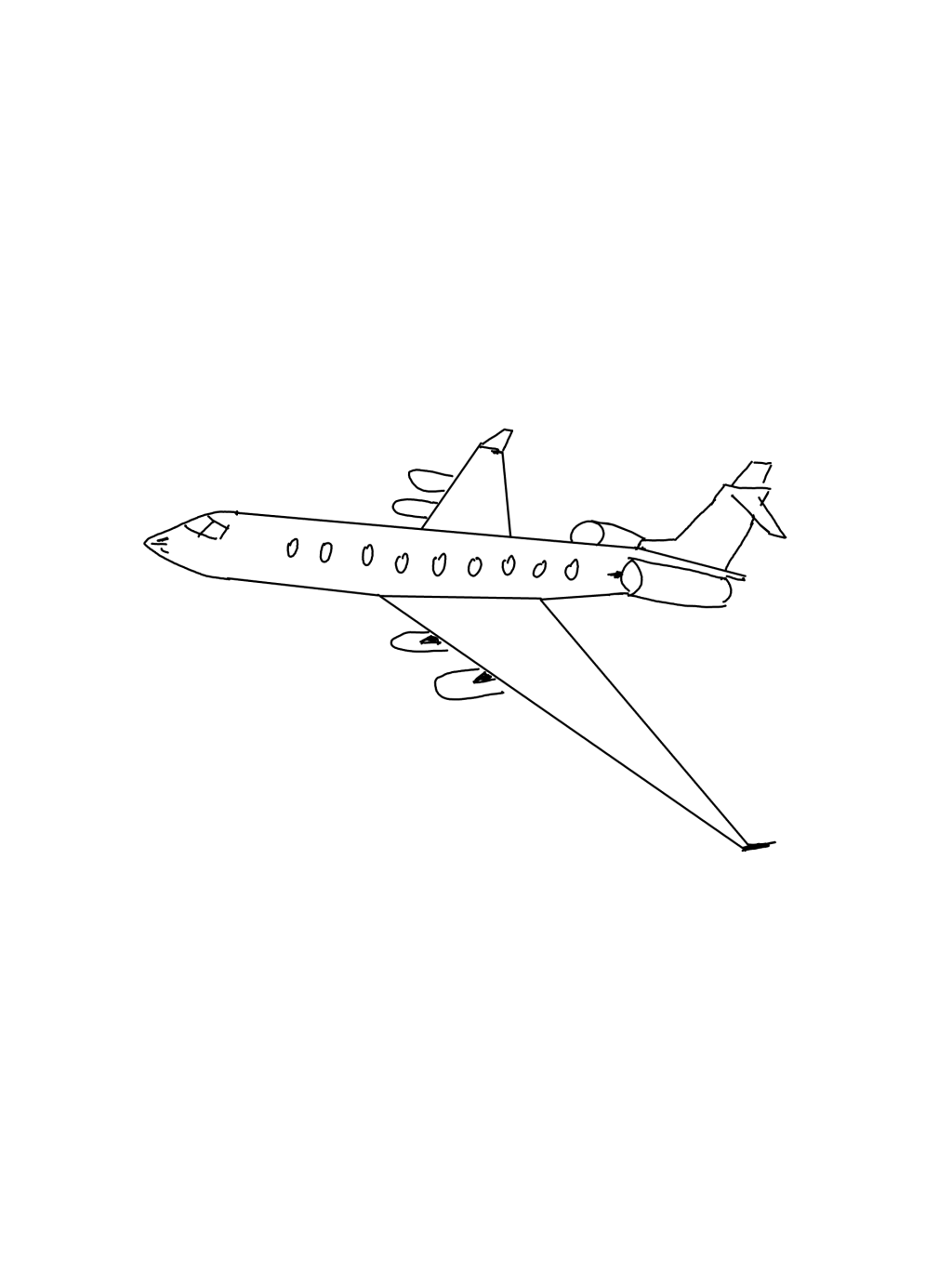
What is a Light Strategic Bomber
Basic Requirements
The core idea of a light strategic bomber is to combine the range and cost per flight hour per ton of ordnance carried of a heavy bomber with the payload and runway-length requirements of a strike fighter. The general design would be to take a large, long-range business jet, reinforce it for weapons pylons, and give it a strike fighter’s sensors and electronics package.
Similar Aircraft Already in Service
There are a handful of business jet-based military aircraft in Western service now, though none are really capable of substituting for strike fighters. SAAB in Sweden makes the Globaleye light AEW aircraft. PAL in Canada offers the P-6 light maritime patrol aircraft, which is the closest to a bomber with its weapons pylons. And in 2024, L3Harris and BAE began delivering the next-generation Compass Call EW aircraft, which is based on a G550 business jet.
An American Example
I think the case study for an American design would be to start with a Gulfstream G800 for its extreme range, and reinforce the wings to handle ~20k lbs of underwing ordnance. Then, for sensors, give it the F-15EX’s EPAWSS and MAWS, and a chin pylon for a targeting pod. I would also give it an F-15 radar, and mount it on a swashplate so that it’s angled 40 degrees down in the forward position and vertical in the side-looking position for good coverage both doing overwatch and doing laps at long range.
Why Build One
Mission Flexibility
In a large-scale attack, more light strategic bombers can spread out to prosecute a target from more angles than fewer heavy bombers, complicating the defence. A tactical-sized payload also makes them practical for many more strike missions where the range, endurance, and cost-effectiveness of a strategic bomber are valuable, but a heavy bomber is just too big.
In Iraq and Afghanistan, light strategic bombers could have run the vast majority of strike and air support missions with more loiter time and for less cost from bases with safer supply lines, eliminating almost half of the extremely dangerous fuel convoys.
In Central and South America, light strategic bombers could provide persistent and cost-effective heavy air support against the cartels, even for nations that can’t afford typical strike fighters or that want US support without having foreign bases on their soil.
In the Pacific, light strategic bombers could provide persistent air support and conduct standoff strikes from austere bases on scattered islands thousands of miles from the fight without straining the tanker fleet that high-end assets rely on.
Platform Versatility
- With air-to-air munitions, it would be very cost-effective and persistent for back-line counter-air missions like missile defence or tanker/AEW escort.
- It can carry the EA-18G’s standard loadout for strategic range standoff EW and SEAD/DEAD to support the B-2s and B-21s.
- It can cost-effectively drag around huge munitions like the AIM-174 or SiAW that are needed in small quantities for extreme range engagements
- You can build light AEW or MPA, like the SAAB Globaleye or PAL P-6, respectively, on the same platform
- It has the persistence and right size to combine systems like Gorgon Stare with large quantities of small munitions to do armed overwatch and CSAR Sandy missions affordably at strategic ranges.
Why haven’t we built one yet
The kind of large, very long-range business jets that you could convert into a light strategic bomber are really a product of post-2000 Western aerospace development. Of the nations that could have built one, really only the US Air Force has an interest in developing strategic range air capabilities. The new Compass call, with the first example delivered in 2024, is business jet-based, but the USAF hasn’t really been interested in the rest of the mission set that a light strategic bomber would be good at. I think the biggest factors have been a combination of institutional aversion to lower-end platforms, a focus on stealth over everything, and coasting on a Cold War surplus of non-stealth aircraft. Now, many of those Cold War aircraft are starting to age out, missile defence is becoming increasingly important, and we’re starting to build new non-stealth aircraft like the F-15EX that have a place in a 5th-gen fleet. A light strategic bomber would be a cost-effective addition to US air power, even in a high-intensity war, and a potentially transformational capability for less wealthy allies, especially in the Pacific.


Leave a comment